
.png)
A consensus to halt the ongoing conflict between Iran and the United States could be reached today. According to a report by *The Times of Israel*, Pakistan has submitted a ceasefire proposal to both nations.
Pakistan has tentatively dubbed this arrangement the "Islamabad Accord," which is structured into two phases. The first phase entails the immediate implementation of a ceasefire, while the second phase involves finalizing a comprehensive agreement within 15 to 20 days.
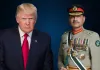
Pakistan's Army Chief, Asim Munir, engaged in overnight discussions with American and Iranian leaders. The proposal also includes provisions for reopening the Strait of Hormuz, thereby facilitating the normalization of global oil supplies.
Earlier, the U.S. media outlet *Axios* reported that a 45-day ceasefire could be implemented between the two nations, during which negotiations for a permanent peace accord would take place. Pakistan, Egypt, and Turkey are playing the role of mediators in these discussions. The next 48 hours are considered the final window of opportunity for this deal.
**Iran Threatens to Disrupt Global Supplies**
Iran has issued a threat to disrupt global supply chains should attacks by the United States and Israel escalate. According to a report by *Al Jazeera*, Iran has stated that it could target other maritime routes in addition to the Strait of Hormuz.
Ali Akbar Velayati, an advisor to Iran's Supreme Leader, asserted that any major hostile action would be met with a response that extends beyond the military sphere, impacting global energy markets and trade.
He warned that not only the Strait of Hormuz but also other critical maritime arteries—such as the Bab-el-Mandeb—could be placed at risk.
This statement comes at a time when U.S. President Donald Trump has issued an ultimatum to Iran to reopen the Strait of Hormuz, warning of severe repercussions should it fail to comply.
Prior to this, Yemen's Houthi rebels—widely regarded as close allies of Iran—had already signaled their intent to launch attacks on vessels in the Red Sea. Trump Threatens to Plunge Iran into Hellish Conditions
Calling Iran "bastards," Trump threatened to launch a major attack if the Strait of Hormuz is not reopened. He stated that if Iran fails to open the Strait of Hormuz, he will turn the country into a living hell. Furthermore, he spoke of targeting power plants and bridges within Iran.
Writing on social media on Sunday, Trump declared that Tuesday would simultaneously be "Power Plant Day" and "Bridge Day" in Iran—signaling that attacks would take place. He warned Iran to reopen the Strait of Hormuz, or else it would face hellish consequences.
Iran Refuses to Reopen Hormuz in Exchange for a Temporary Ceasefire
Iran has stated that it is unwilling to reopen the Strait of Hormuz in exchange for a temporary ceasefire. Speaking to Reuters, a senior Iranian official noted that while Pakistan's proposal is currently under review, no decision will be made under duress.
According to the official, Tehran will not offer any concessions—nor will it reopen the Strait of Hormuz—in exchange for a "temporary ceasefire." He added that Iran believes the United States is not prepared for a permanent ceasefire; therefore, a temporary arrangement would be meaningless.
The official confirmed that a proposal for an immediate ceasefire had been received from Pakistan and is currently being considered.
.png)
Iran Declares: Hormuz Safe for Friendly Nations, Including India
Iran has affirmed that safe passage through the Strait of Hormuz is guaranteed for the vessels of friendly nations, including India. However, the route remains closed to those nations currently engaged in hostilities against Iran.
Iran's Ambassador to India, Mohammad Fathali, stated that numerous Indian vessels have safely transited the Strait of Hormuz in recent days—a fact that underscores Iran's commitment to ensuring safe passage.
Additionally, Iran maintains that the Strait of Hormuz does not constitute international waters, but rather falls within the territorial control of Iran and Oman.