


India's LPG Reserves: Decoding the Surge in Demand and Future Supply Arrangements
The sudden spike in domestic cooking gas demand has understandably raised concerns among citizens, prompting a wave of rapid, anxiety-driven purchasing across the country. Currently, the daily booking rate for Liquefied Petroleum Gas (LPG) cylinders has skyrocketed to an unprecedented 75 lakhs. However, due to logistical constraints and the physical limits of the supply chain infrastructure, delivery agencies are currently fulfilling about 50 lakh cylinder deliveries on a daily basis.
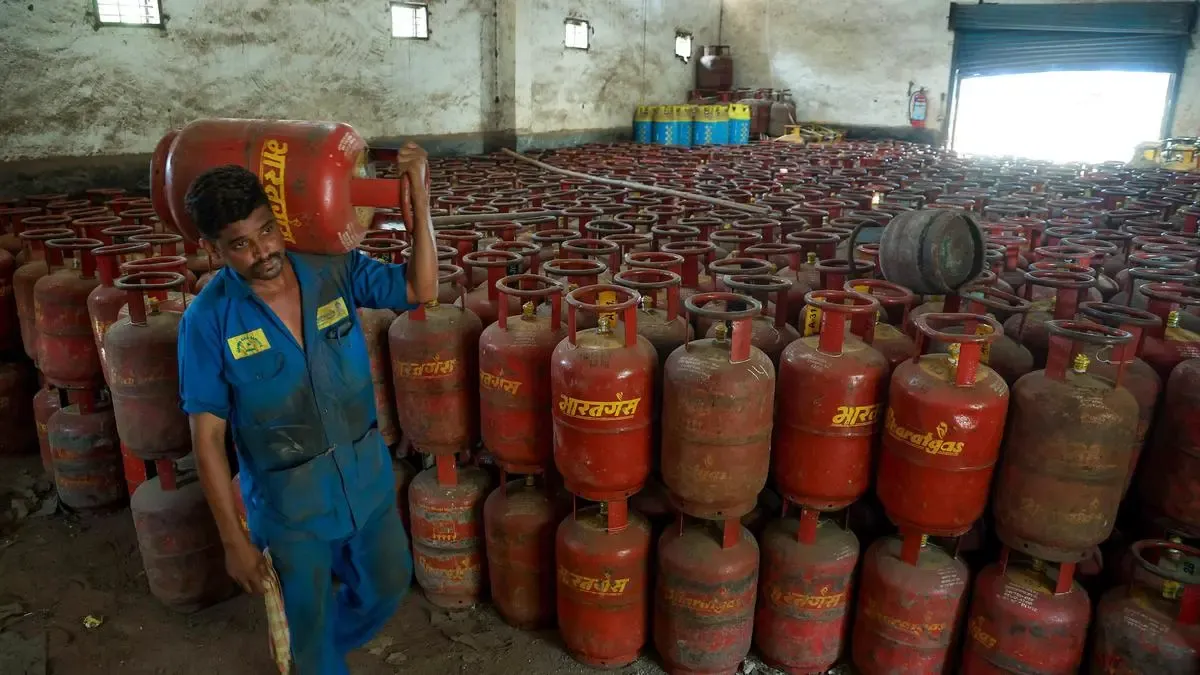
This daily deficit of 25 lakh cylinders has naturally led to widespread speculation and a pressing question: How much cooking gas is actually left in India's reserves, and is the nation on the brink of a shortage?
The short answer is no. While the gap between bookings and deliveries seems alarming, it is primarily a byproduct of panic buying rather than an actual depletion of national reserves. Many households are booking their refills long before their current cylinders are empty, artificially inflating the daily demand numbers. It is completely understandable to want to secure essentials during times of uncertainty, but the reality is that the country's energy infrastructure is well-equipped to handle this surge.
The Ministry of Petroleum and Natural Gas, along with major oil marketing companies like Indian Oil Corporation (IOC), Bharat Petroleum (BPCL), and Hindustan Petroleum (HPCL), have categorically assured the public that there is no shortage of LPG in the country. The current national inventory holds sufficient stock to cater to the nation's needs for weeks, and the supply chain at the macro level remains completely intact.
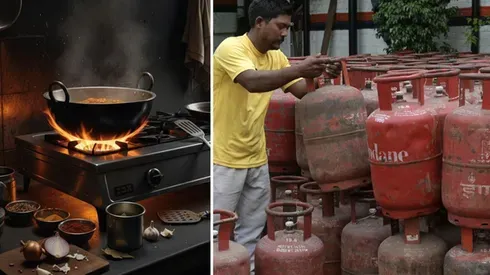
To bridge the delivery gap and ensure future security, the government has proactively implemented several robust arrangements:
-
Ramping Up Bottling Operations: LPG bottling plants across the country are operating at maximum capacity. Shifts have been extended, and plant workers are functioning around the clock to ensure that empty cylinders are refilled and dispatched to distributors without delay.
-
Securing Additional Imports: To maintain a healthy buffer stock, the government has already tied up with global suppliers to import additional LPG. Cargo ships carrying bulk LPG are arriving at Indian ports on schedule, ensuring that the domestic refineries and storage terminals remain fully stocked.
-
Streamlining Logistics and Transport: Special provisions have been made to ensure the unhindered movement of bulk LPG trucks from ports and refineries to bottling plants, and subsequently, delivery trucks to local distributors.
-
Discouraging Hoarding: Authorities have restricted the booking window, preventing consumers from booking a refill until a minimum specified number of days has passed since their last delivery. This crucial step immediately filters out panic-driven requests and ensures that cylinders reach those who genuinely need them.
In conclusion, while the daily booking numbers are historic, the foundational supply of LPG in India is secure. The delivery backlog of 25 lakh cylinders a day is a logistical bottleneck being cleared through extended working hours and streamlined supply chains, not a sign of empty national reserves.
Key Takeaways Highlighted
-
Current Booking Surge: India is witnessing an unprecedented 75 lakh LPG cylinder bookings per day, largely driven by consumer anxiety and advance booking.
-
Delivery Capacity: Oil marketing companies are successfully delivering 50 lakh cylinders daily, utilizing their maximum logistical bandwidth.
-
Adequate Reserves: The government and petroleum companies confirm there is absolutely no shortage of LPG in the national inventory.
-
Government Interventions: * Continuous, 24/7 operation of LPG bottling plants.
-
Advanced procurement and securing of additional global LPG imports.
-
Implementation of booking restrictions to curb hoarding and panic buying.
-
2.png)
3.png)
3.png)
2.png)
2.png)