


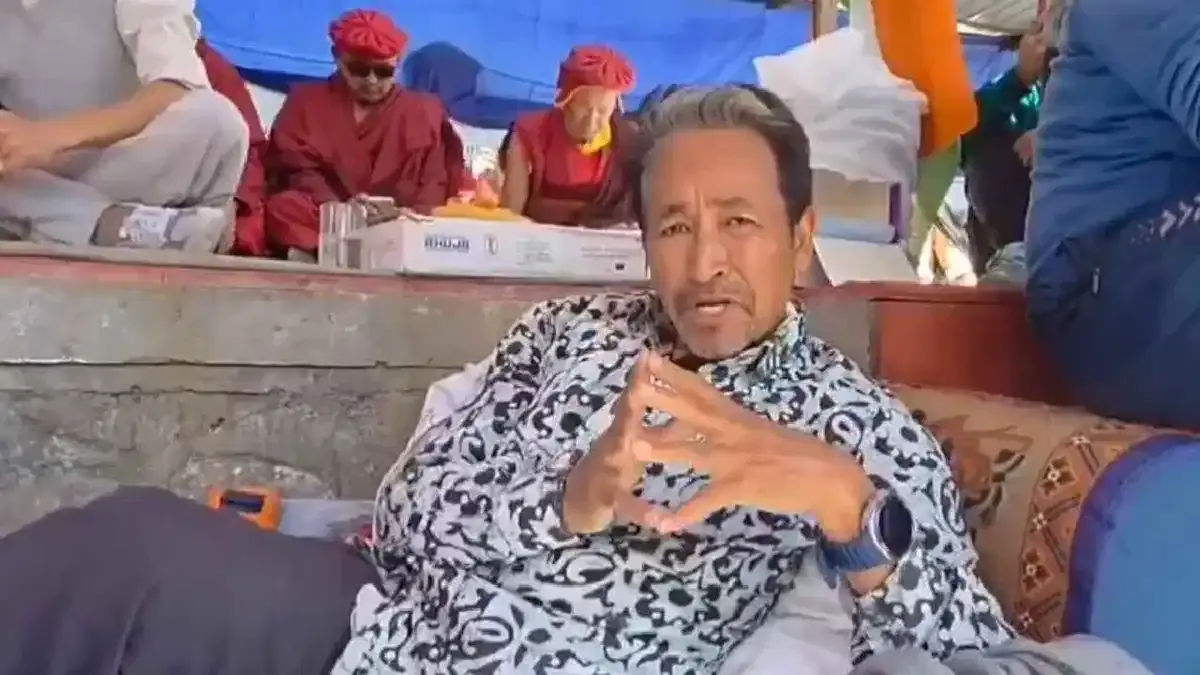
In a major shift for Ladakh's political landscape, the central government has officially revoked the National Security Act (NSA) charges against climate activist and educator Sonam Wangchuk. After 170 days of preventive custody at the Jodhpur Central Jail, his release marks the end of a highly publicized legal standoff.
The Catalyst: How Did We Get Here? The path to Wangchuk's detention was paved by a year of escalating regional unrest:
-
Core Demands: The Leh Apex Body (LAB) and Kargil Democratic Alliance (KDA)—with Wangchuk as a central figure—have been campaigning for Ladakh's statehood, inclusion in the Sixth Schedule for tribal protection, and dedicated parliamentary representation.
- The Flashpoint: The largely peaceful movement took a turn when a major agitation in Leh escalated into violence, prompting the government to intervene to restore public order
- The NSA Invoked: Viewing him as a potential catalyst for further unrest in a sensitive border region, authorities placed Wangchuk in preventive custody under the NSA, a law allowing detention for up to 12 months without formal charges, and moved him to Rajasthan.
The Friction: Public & Political Backlash Wangchuk’s 170-day incarceration became a lightning rod for national debate:
-
The Critics: Civil society, human rights advocates, and political opposition argued that using a stringent law like the NSA against a globally recognized environmentalist known for his peaceful "climate fasts" was a disproportionate response.
-
The Movement: Despite his physical absence, Wangchuk's supporters kept his message alive through nationwide vigils, marches, and digital campaigns, ensuring the Himalayan ecosystem and Ladakh's democratic rights remained in the spotlight.
The Turning Point: Why Now? The decision to lift the NSA and facilitate Wangchuk's release suggests a shift in the ground reality:
-
Security Reviews: Following extensive assessments of Ladakh's security situation, authorities likely concluded his detention was no longer necessary to maintain peace.
-
Cooling Tensions: With unrest in Leh subsiding, the focus appears to be shifting from law enforcement back to diplomacy, potentially aided by back-channel dialogues with community leaders.
The Road Ahead While his release is expected to trigger widespread relief and celebration in Ladakh, the foundational issues remain unresolved. The demands for the Sixth Schedule and statehood have not vanished. Moving forward, political analysts will be closely watching how Wangchuk and local leaders navigate the next round of negotiations with the Ministry of Home Affairs, balancing the region's democratic aspirations with the strategic realities of a sensitive border zone.