


Breakthrough in the Senate: A Check on War Powers
In a significant legislative shift, the United States Senate has successfully voted to advance a War Powers resolution aimed at curbing President Donald Trump’s authority to wage an unauthorized war against Iran. The procedural vote concluded with a 50-47 victory for lawmakers who argue that the U.S. Constitution gives Congress—not the executive branch—the sole power to declare war.
This historic breakthrough comes roughly 80 days into "Operation Epic Fury," the U.S.-led military campaign against Iran that commenced in late February. Prior to this successful vote, the Republican-majority Senate had blocked seven consecutive attempts by Democrats to bring a similar resolution to the floor.
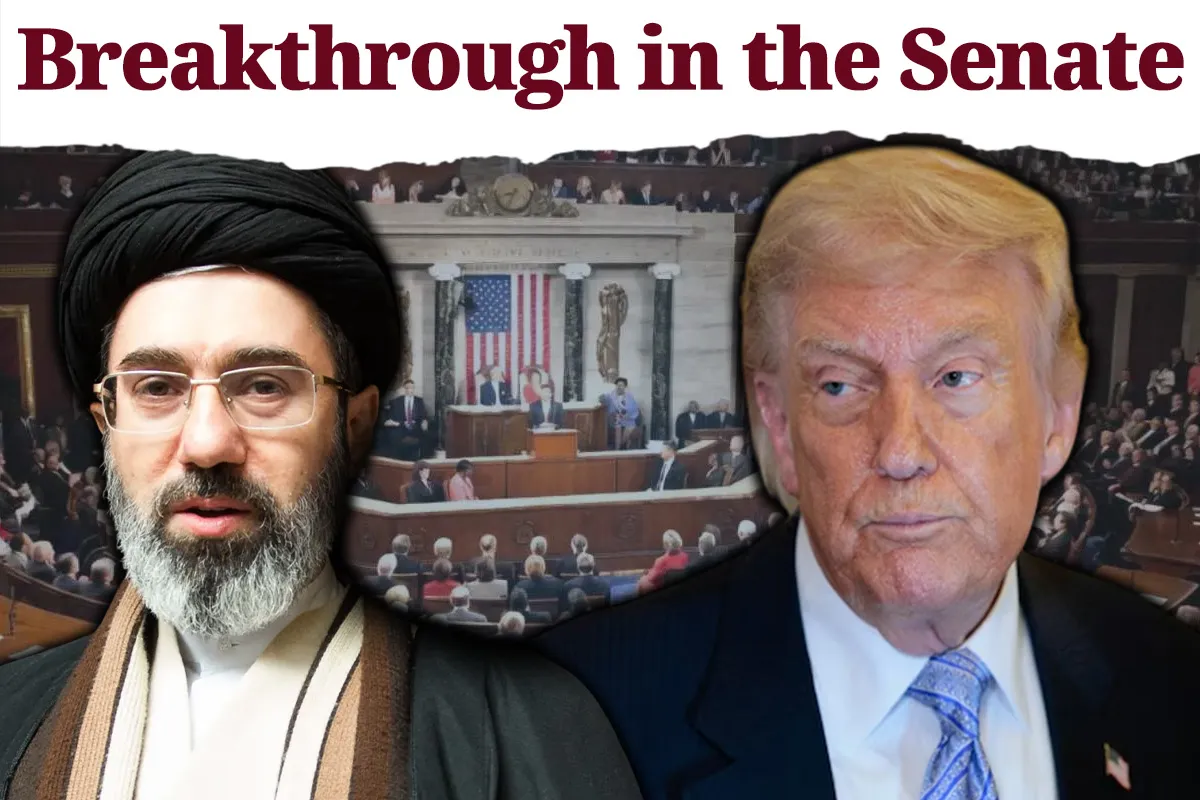
4 Republican Senators Break Ranks
The turning point for the resolution came as four Republican senators defected from party lines to vote alongside Democrats. The sudden shift highlighted growing unease within the President's own base regarding the lack of clear military strategy and the rising economic toll of the conflict.
The four Republican defectors were:
-
Senator Rand Paul (Kentucky)
-
Senator Susan Collins (Maine)
-
Senator Lisa Murkowski (Alaska)
-
Senator Bill Cassidy (Louisiana)
Senator Cassidy’s vote was particularly noteworthy as it marked the first time he supported a war-powers limit. In a public statement following his vote, Cassidy noted that while he supports dismantling Iran's nuclear programs, the White House and the Pentagon have left Congress entirely "in the dark." Conversely, the vote faced a single defection from the Democratic side, with Senator John Fetterman of Pennsylvania being the lone Democrat to vote against the measure.
Constitutional Clash: The Core of the Resolution
Sponsored by Democratic Senator Tim Kaine of Virginia, the joint resolution explicitly directs the President to "remove the United States Armed Forces from hostilities within or against Iran, unless explicitly authorized by a declaration of war or a specific authorization for use of military force (AUMF)."
The White House previously claimed that a temporary pause in heavy airstrikes effectively "terminated" the clock under the 1973 War Powers Act. However, lawmakers pointed out that the ongoing naval blockade of Iranian ports and active skirmishes in the Strait of Hormuz mean hostilities remain very much alive.
What Happens Next? The Veto Hurdle
While advancing the bill is an undeniable symbolic victory for the opposition, the resolution faces steep legal and procedural roadblocks before becoming a law.
-
The House Frontier: The measure must still survive a full floor vote in the Senate before heading to the Republican-led House of Representatives, where previous attempts have narrowly failed.
-
The Presidential Veto: Even if the resolution successfully passes both chambers of Congress, President Trump maintains the ultimate constitutional right to veto it.
-
Overriding the Veto: To completely bypass a presidential veto and force the resolution into law, Congress would require a supermajority—specifically a two-thirds vote in both the House and the Senate. Given the current tight margins, achieving an override remains highly unlikely.
Despite the steep path ahead, Senate Minority Leader Chuck Schumer stated that the vote proves the "wall of silence" is starting to crack, signaling to the administration that public and legislative patience regarding an undeclared foreign war is rapidly thinning.
2.png)
3.png)
3.png)
2.png)
2.png)