


WASHINGTON D.C. — Geopolitical tensions in the Middle East have reached a critical flashpoint as the United States and Israel make intense preparations to potentially resume military strikes against Iran as early as next week.
Following his return from a high-stakes diplomatic visit to China, President Donald Trump faces a pivotal decision on whether to reactivate a full-scale military campaign. This comes in the wake of a fragile, month-long ceasefire that has failed to yield a diplomatic breakthrough.
The Pentagon's Escalation Blueprints
According to reports from The New York Times, Pentagon officials and top aides have drafted multi-layered military options to break the current diplomatic impasse. The U.S. military is preparing for the possibility that "Operation Epic Fury"—the military campaign that was paused during last month's ceasefire—could resume under a revised operational framework.
U.S. Defense Secretary Pete Hegseth confirmed the military's readiness during congressional testimony, stating:
"We have a plan to escalate if necessary."
However, Hegseth also noted that fallback plans exist to wind down operations and return the massive surge back to standard global deployments if a diplomatic resolution is reached.
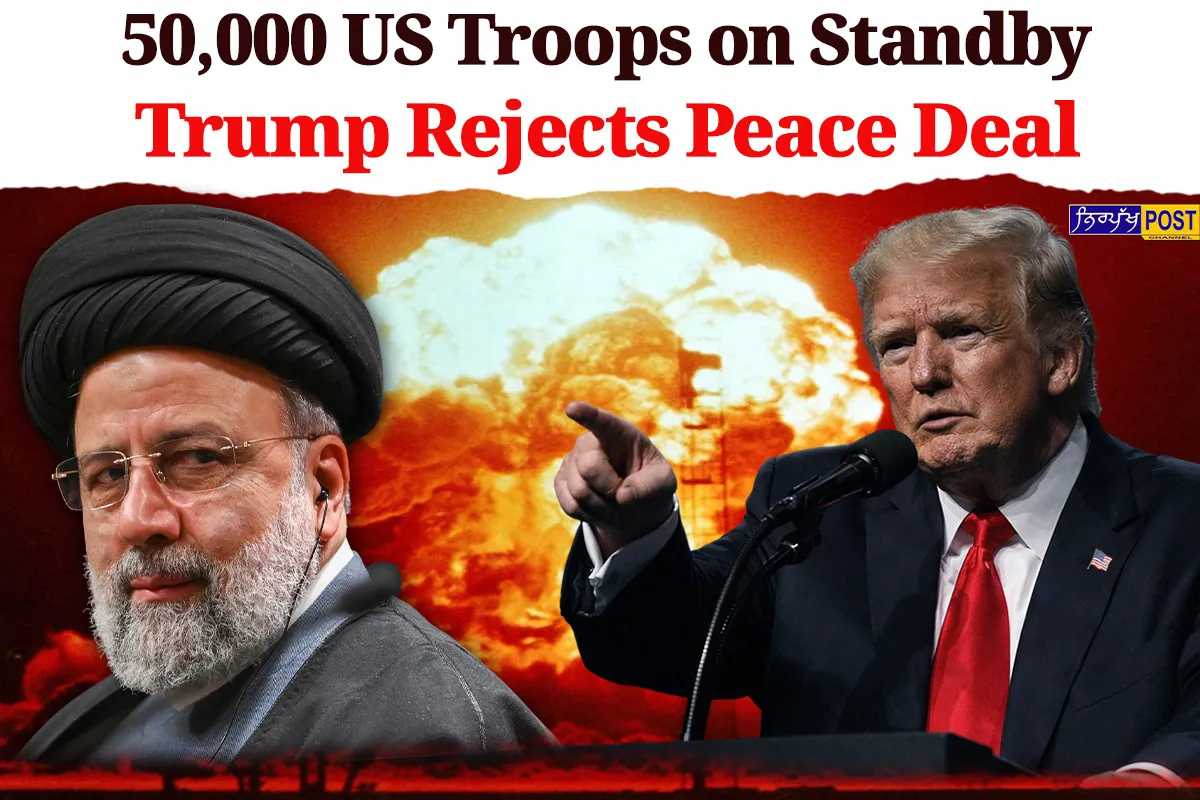
Massive Troop and Naval Mobilization
The scale of the U.S. military presence in the region underscores the gravity of the situation. The mobilization represents one of the largest troop surges in the Middle East since the Iraq War.
-
Troop Deployment: More than 50,000 American military personnel are currently stationed in the theater, including a specialized contingent of 5,000 U.S. Marines and 2,000 paratroopers.
-
Naval Assets: Multiple guided-missile destroyers, advanced naval warships, and a full carrier strike group—led by the USS George H.W. Bush—remain heavily deployed in strategic international waters surrounding the Arabian Peninsula.
-
Special Operations: Reports indicate that several hundred Special Operations personnel have been positioned in the region for highly targeted, contingency missions.
Targets and Strategic Options Under Review
If President Trump greenlights the renewed offensive, the Pentagon has outlined several severe military scenarios:
-
Expanded Bombing Campaigns: Intensified airstrikes targeting Iranian command structures, missile infrastructure, and key military sites.
-
Nuclear Material Seizure: A highly sensitive ground option involving Special Operations forces tasked with infiltrating and securing highly enriched uranium believed to be stored deep underground at Iran’s Isfahan nuclear facility. Officials acknowledge this specific scenario carries a "high risk of casualties."
-
Economic Chokepoints: Plans to seize Kharg Island, the central hub for Iran's oil exports, to completely cripple Tehran's economic lifeline.
Trump Rejects Iran's Peace Proposal
The potential return to hostilities follows a deadlock over negotiations to permanently reopen the Strait of Hormuz, a vital global trade artery that has been blockaded. Speaking to reporters aboard Air Force One after leaving Beijing, Trump flatly rejected Iran's latest compromise proposal.
"I looked at it, and if I don't like the first sentence, I just throw it away," Trump stated, emphasizing his stance. "They're either going to make a deal, or they're going to be decimated. So, one way or another, we win."
While international intermediaries continue to push for a compromise that would allow the U.S. administration to declare a diplomatic victory, Tehran has signaled it is equally prepared for war. Mohammad Bagher Ghalibaf, the speaker of the Iranian Parliament, warned that Iran's armed forces are fully prepared to deliver a severe response to any renewed Western aggression.
2.png)
3.png)
3.png)
2.png)
2.png)