


CHANDIGARH – Chief Minister Bhagwant Mann on Wednesday announced a staggered schedule for paddy transplanting across Punjab for the 2026 season. In a strategic move to conserve depleting groundwater and manage the electricity load, the state has been divided into four distinct zones.
The government has also preponed the transplanting date to June 1 (previously June 10) to ensure the crop is harvested before the high-moisture period in October, aiding smoother procurement.
Key Highlights of the Schedule
1. Direct Seeding of Rice (DSR)
-
Dates: May 15 to May 31.
-
Coverage: Throughout the state.
-
Incentive: The government continues to encourage DSR to save up to 20% of water.
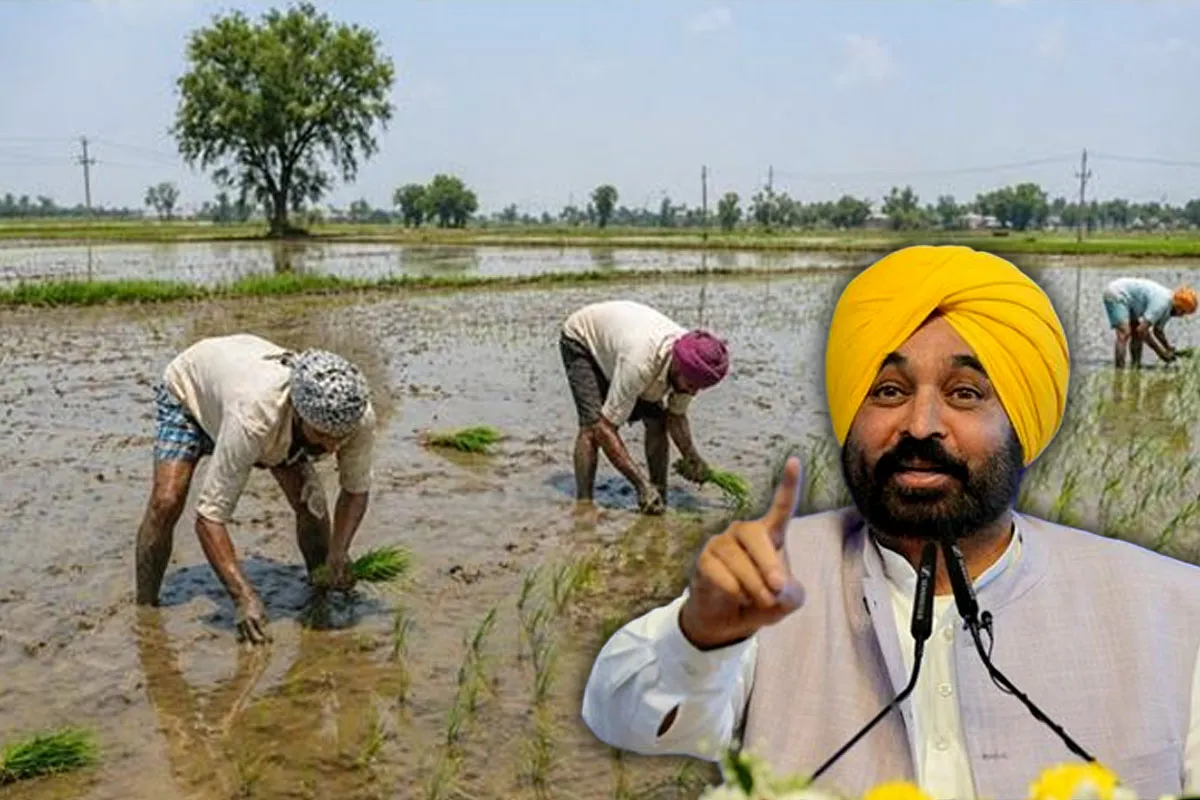
2. Zone-Wise Transplantation (Puddling Method)
To prevent a sudden surge in power demand, transplantation will begin in phases:
| Zone | Start Date | Districts Covered |
| Zone 1 | June 1 | Gurdaspur, Pathankot, Amritsar, Tarn Taran, Rupnagar, SAS Nagar (Mohali), Fatehgarh Sahib, and Hoshiarpur. |
| Zone 2 | June 5 | Faridkot, Bathinda, Ferozepur, Sri Muktsar Sahib, and Fazilka. |
| Zone 3 | June 9 | Ludhiana, Malerkotla, Mansa, Moga, Patiala, Sangrur, Barnala, Kapurthala, Jalandhar, and SBS Nagar (Nawanshahr). |
| Zone 4 | June 1 | Specific border areas and regions already utilizing early canal water. |
Power and Water Supply Assurance
The Chief Minister assured the farming community of robust support during the sowing season:
-
8 Hours of Power: Farmers will receive an uninterrupted 8-hour daily power supply for tubewells starting from their respective zonal dates.
-
Canal Water: Canal water release will begin as early as May 1 to assist in field preparation and DSR.
-
Investment: Over ₹6,700 crore has been spent on upgrading canal infrastructure and pipelines up to March 2026 to reduce reliance on groundwater.
Why the Staggered Approach?
According to the government, this "4-Zone" formula serves three major purposes:
-
Water Conservation: Reduces the massive strain on the water table by spreading out the irrigation period.
-
Grid Stability: Prevents power grid failures by avoiding a state-wide spike in electricity demand on a single day.
-
Labor Management: Helps farmers manage labor shortages by extending the transplanting window across the state.
Important Note for Farmers
The government has reiterated its stance on Pusa-44, discouraging its cultivation due to its long duration and high water consumption. Farmers are instead urged to use short-duration varieties like PR-126 to ensure timely sowing of the next wheat crop.
2.png)
3.png)
3.png)
2.png)
2.png)