


Many of us have a common habit: we chop up a large watermelon, melon, or papaya, eat half of it, and store the rest in the refrigerator for later. In our busy lives, pre-cutting fruits during meal prep seems like a fantastic time-saver. However, health experts are now warning that storing cut fruits in the fridge might be doing your body more harm than good. Under certain conditions, these healthy snacks can actually become toxic.
Here is a detailed look at why storing cut fruits in the fridge can be a dangerous mistake and how you can practice safer food habits.
1. The Science of Oxidation: Why Cut Fruits Lose Nutrition
The moment a fruit’s skin is peeled or cut, its internal cells are exposed to air, light, and oxygen. This triggers a process called oxidation.
-
Nutrient Depletion: Oxidation rapidly destroys vital nutrients, especially Vitamin C and other antioxidants.
-
Browning and Spoilage: The chemical reaction changes the color, texture, and taste of the fruit, making it less appetizing and significantly reducing its health benefits.
2. The Danger Zone: Bacterial Growth and Contamination
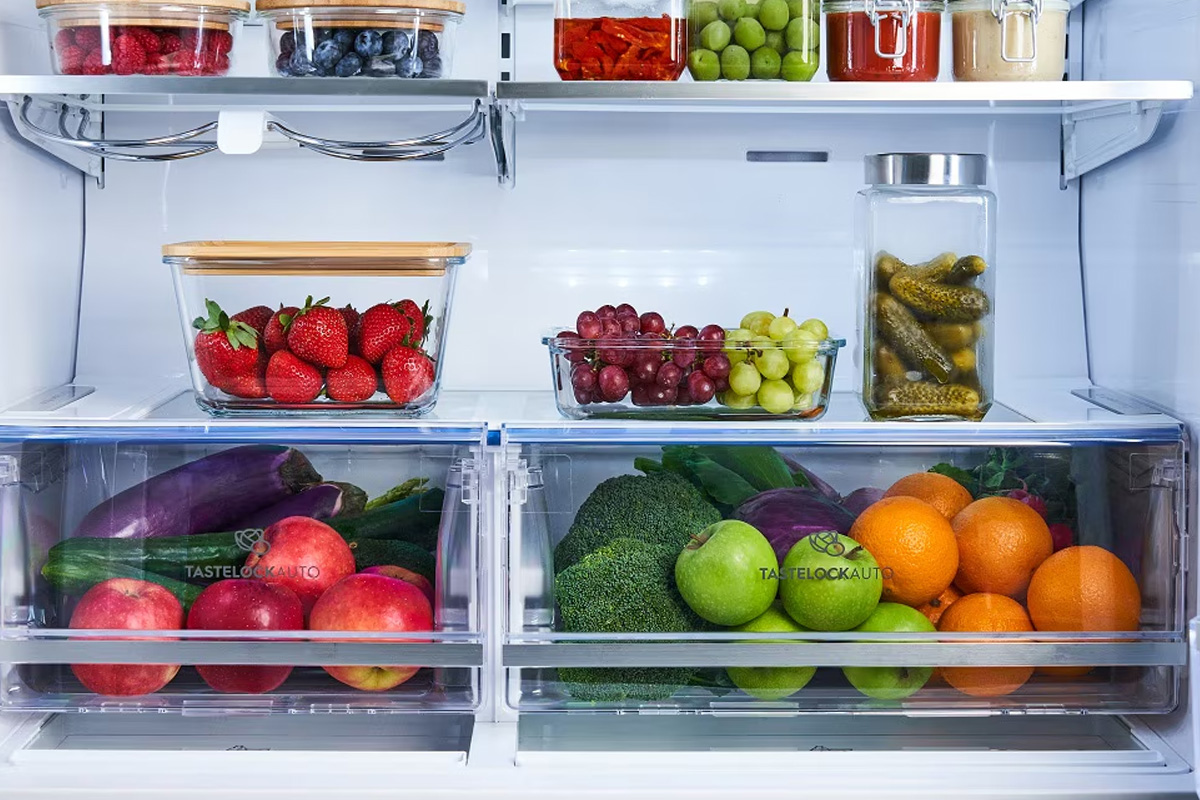
Refrigerators slow down bacterial growth, but they do not stop it entirely—especially when it comes to cut produce.
-
Cross-Contamination: A refrigerator houses a variety of foods, including raw vegetables, dairy, and sometimes meat. Cut fruits easily absorb odors and can pick up harmful bacteria like Salmonella, E. coli, and Listeria from other items.
-
Moisture Trap: Cut fruits release moisture. When trapped in a container or covered in plastic wrap inside a humid fridge, it creates the perfect breeding ground for mold and harmful microbes.
3. When Do Cut Fruits Become 'Toxic'?
According to food safety experts, cut fruits should ideally be consumed within 20 to 30 minutes of cutting.
Expert Warning: If cut fruits are left in the refrigerator for more than 4 to 6 hours, their microbial count spikes significantly. Consuming fruits that have been sitting overnight can cause food poisoning, leading to symptoms like diarrhea, stomach cramps, vomiting, and nausea. For individuals with weaker immunity, children, or pregnant women, this can turn into a severe health hazard.
4. Ayurvedic Perspective on Stale Food
Ancient dietary wisdom aligns with modern science on this issue. According to Ayurveda, eating food that has been cut and stored for hours loses its Prana (vital life force energy). It becomes Tamasic (stale/heavy), which slows down metabolism, creates toxins (Ama) in the body, and disrupts digestion.
Smart Tips for Fruit Consumption
To enjoy the maximum health benefits of fruits without the risks, follow these expert-recommended practices:
-
Cut and Eat Immediately: Always cut fruits right before you intend to eat them.
-
Buy Smaller Sizes: Instead of buying giant fruits that require storing leftovers, opt for smaller portions that can be consumed in one sitting.
-
Do Not Store with the Peel Off: If you must store a partial fruit (like a melon), keep the skin on the remaining portion, wrap it tightly, and consume it within a few hours.
-
Avoid Pre-Cut Market Fruits: Steer clear of pre-cut fruit bowls sold at supermarkets or by street vendors, as you cannot verify how long they have been exposed to the air.