


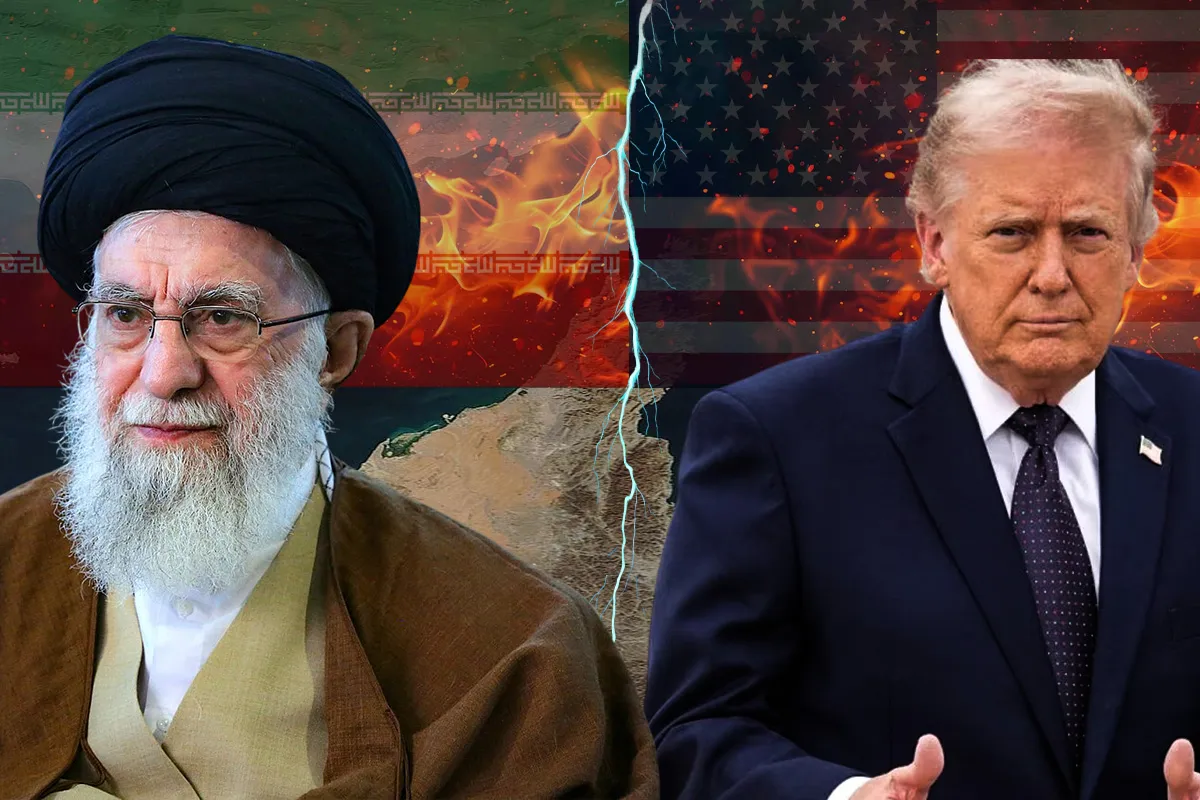
Tehran/Washington — Tensions in West Asia have surged to a critical tipping point as the fragile seven-week-old US-Iran ceasefire faces imminent collapse. Following fresh American military strikes targeting coastal positions, Iran’s Ministry of Foreign Affairs and the Islamic Revolutionary Guard Corps (IRGC) declared that the Islamic Republic is actively mobilizing for renewed conflict.
In an official statement, Tehran sharply criticized diplomatic efforts, stating that recent US actions explicitly expose Washington's "dishonesty and unreliability," rendering any bilateral trust impossible. As both nations posture for a potential escalation, Iran has openly identified the Strait of Hormuz as its ultimate strategic weapon to leverage against Western pressure.
The Breakdown of Trust and Fragile Ceasefire
The sudden escalation comes amid ongoing, sensitive diplomatic negotiations in Doha aimed at solidifying a permanent truce. However, overnight "self-defense strikes" conducted by the US Central Command (CENTCOM) near the critical port city of Bandar Abbas have derailed the goodwill.
According to US intelligence and military analysts, Iranian forces had initiated hostile maneuvers—including moving drone launch systems and deploying speedboats intended for naval mine-laying operations—just 24 hours prior to the American strikes.
Iran's newly established leadership under Supreme Leader Ayatollah Mojtaba Khamenei has doubled down on an uncompromising stance, asserting that anti-US and anti-Israel strategies will continue to dictate the state's foreign policy. Tehran maintains that the US strikes violated the existing truce, proving that America cannot be trusted to uphold international memorandums.
Weaponizing the Strait of Hormuz: A Global Chokepoint
With a major land or air conflict posing significant risks, Iran has re-pivoted toward its most lethal geographic asset: the Strait of Hormuz.
-
Global Energy Chokepoint: The narrow waterway accommodates nearly 20% of the world’s liquefied natural gas and petroleum liquid consumption, making it the absolute artery of global energy markets.
-
Asserting Sovereignty: The IRGC recently claimed that it intercepted hostile US drones over the Gulf and forced Western naval assets to acknowledge Iranian territorial authority. It declared that 25 commercial vessels were allowed to cross the channel exclusively under Iranian coordination and "security protection."
-
The Mine-Laying Threat: Western defense officials remain highly alarmed by Iran's "residual capabilities"—specifically its fleet of fast-attack craft equipped to rapidly deploy anti-ship mines, which could effectively shutter the strait and hold global shipping hostage.
Sticking Points in the Doha Peace Talks
While US President Donald Trump and Secretary of State Marco Rubio have stated that a broader 30-day framework agreement to reopen shipping channels is still "a few days" within reach, major obstacles remain:
-
Frozen Funds: Iran is aggressively demanding the immediate release of approximately $24 billion in frozen assets as a prerequisite to any maritime de-escalation.
-
The Nuclear Dilemma: The US administration insists that any long-term pact must address Iran’s uranium enrichment program. However, Iran’s current defense decision-makers, including IRGC leadership, refuse to make concessions regarding their nuclear threshold capabilities.
Global Fallout: Skyrocketing Oil Prices
The international community has immediately felt the tremors of the deteriorating situation. Following the latest military exchanges at the Strait, global energy markets reacted violently, with Brent crude prices surging by over 3.5%, climbing rapidly toward the $100-per-barrel mark. Financial analysts warn that if Iran executes its threat to close or severely disrupt traffic through Hormuz, global inflation could spiral out of control, triggering a severe energy crisis.