

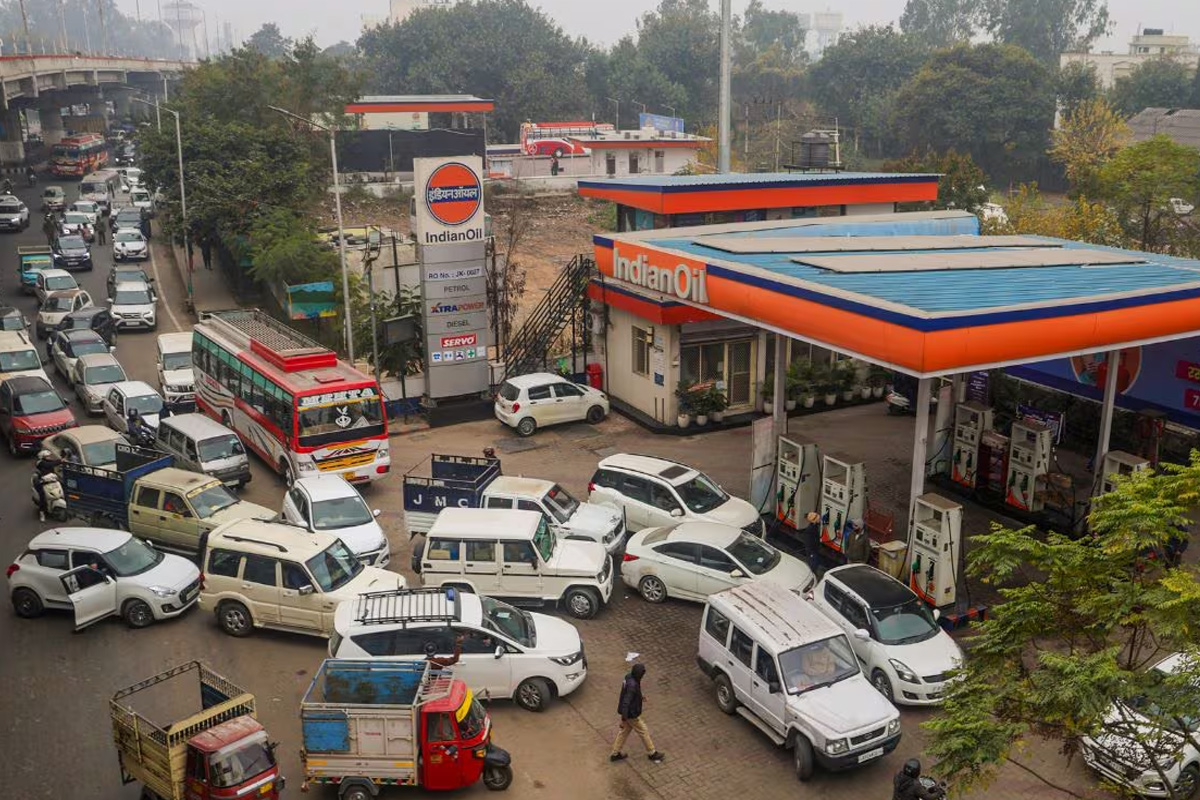
In a sudden turn of events, the Union Territory of Chandigarh is facing a significant fuel supply crunch, prompting authorities and fuel station operators to impose strict limits on the purchase of petrol and diesel. Long queues have been witnessed across Chandigarh, Mohali, and Panchkula (Tri-city) as panicked motorists rushed to fill up their tanks, fearing a complete dry-out.
Why Has the Fuel Limit Been Imposed?
The primary driver behind this sudden rationing is the nationwide strike by truck, tanker, and public transport drivers.
-
The Cause: Drivers are protesting against the stringent new hit-and-run provisions under the Bharatiya Nyaya Sanhita (BNS).
-
The Impact: The strike has severely disrupted the supply chain, halting the movement of fuel tankers from major bulk depots to local petrol pumps.
Because replenishment supplies are blocked, the District Magistrate and oil marketing companies in Chandigarh have taken precautionary measures to stretch the existing fuel reserves as long as possible, ensuring emergency services remain operational.
What Are the Purchase Limits?
To manage the panic buying and distribute the remaining stock equitably, strict limits have been placed on fuel dispensing per vehicle. While the exact limits can vary slightly depending on the specific petrol pump's remaining stock, the generally enforced caps
- Two-Wheelers (Scooters/Bikes)Up to ₹200 to ₹500 worth of fuelFour-Wheelers (Cars/SUVs)Restricted to 4 to 5 liters (or max ₹1,000 to ₹1,500)Commercial VehiclesStrictly regulated based on essential status
Ground Reality and Public Inconvenience
The decision has led to widespread chaos across the Tri-city area. Many petrol pumps have already put up "Dry" or "No Stock" boards, forcing commuters to drive from one station to another. The open stations are experiencing massive traffic jams, with waiting times stretching from 30 minutes to over two hours.
Local authorities have appealed to the public to maintain peace and avoid panic buying, assuring them that efforts are being made to resolve the supply bottleneck with transport unions. However, until the truckers' strike is called off or alternative transit arrangements are secured, the restrictions are expected to remain in place.