


The relentless retreat of Alpine ice has brought closure to a decades-old cold case in Switzerland. Authorities confirmed that human remains discovered on a melting glacier belong to two Belgian mountaineers who vanished without a trace over three decades ago. The discovery highlights both the emotional closure brought to families of long-lost hikers and the profound environmental transformation occurring across high-altitude European landscapes.
Discovery and Formal Identification
The remains were first spotted late last month by a fellow trekker navigating the melting ice of the Trift Glacier in southern Switzerland. Following the alert, local authorities in the Canton of Valais organized a specialized mountain recovery operation to retrieve the bodies.
The remains were transported to the Institute of Forensic Medicine at the Valais Hospital in Sion for detailed forensic analysis and DNA sampling. By cross-referencing genetic profiles with official records, forensic specialists formally identified the individuals as two Belgian men, aged 39 and 41, who disappeared in September 1992 while attempting to summit the 4,017-meter-high Weissmies peak. Historical reports reveal that the duo were caught in severe, unexpected weather conditions near the summit and were never seen again until the melting glacier released them.
Accelerated Glacier Melt Revealing History
Valais police maintain a detailed registry of people who have gone missing in high mountain regions and rivers dating back to 1925. While the resolution of missing persons cases in the Alps was once extremely rare, such findings have become increasingly frequent.
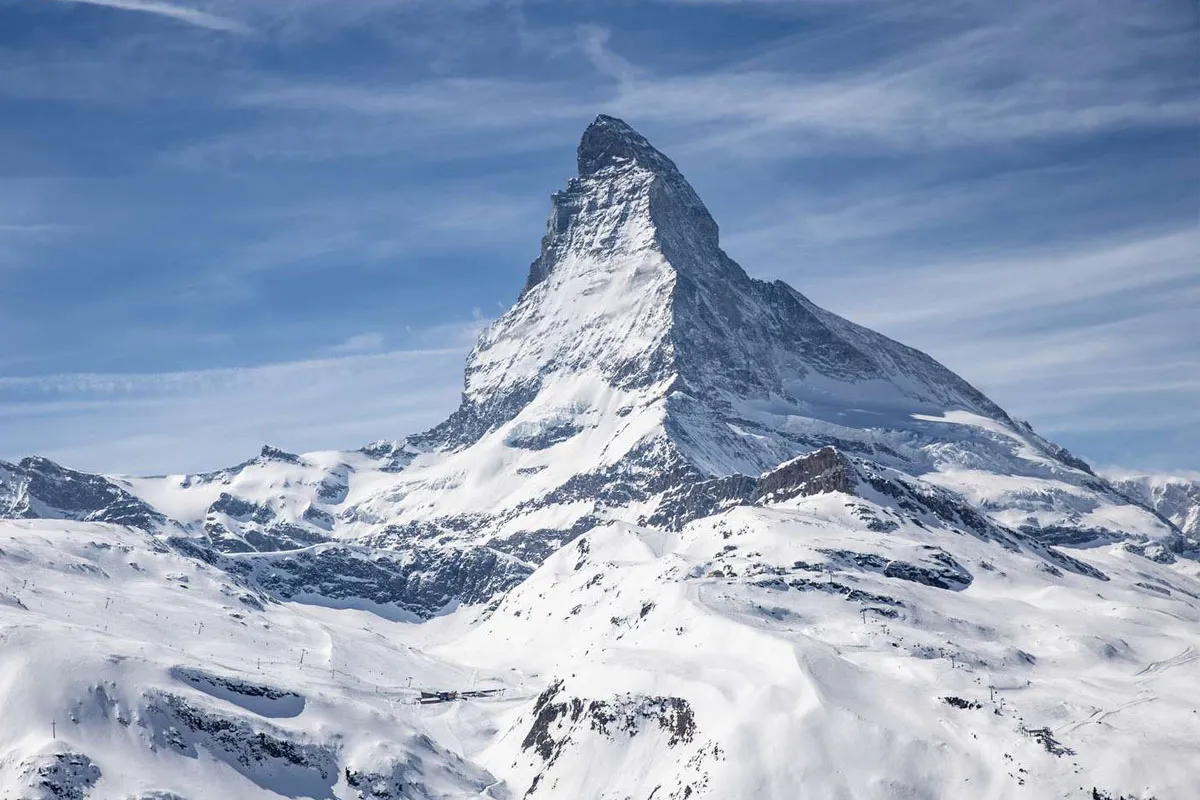
Scientists directly attribute the surge in uncovered remains to global warming. As rising temperatures cause Swiss glaciers to shrink and retreat at unprecedented rates, ice formations that preserved bodies, equipment, and historical artifacts for decades—or even centuries—are thawing. Similar recent cases include the discovery of a German mountaineer who disappeared near the Matterhorn in 1986, as well as the remains of a Swiss climber missing since 1994.
Broader Implications of Climate Change in the Alps
Glaciologists warn that Switzerland's glaciers are losing volume rapidly, with many smaller ice sheets facing complete disappearance in the coming decades. While the thawing ice occasionally offers closure to grieving families, it serves as a stark visual marker of the ongoing climate crisis affecting high-mountain ecosystems around the world.



1.png)
.png)