


Shreyas Iyer’s stellar track record as an IPL captain made his appointment to lead India in white-ball cricket feel like a natural progression. Having led the Delhi Capitals, Kolkata Knight Riders, and Punjab Kings into IPL finals—winning the title with KKR—Iyer established himself as one of modern cricket’s most astute tacticians.
However, India’s disastrous UK tour served as a stark reminder of the fundamental differences between leading an IPL franchise and taking the reins of an international side. Finishing the tour winless—dropping a 2-0 T20I series to Ireland and getting swept 4-0 by England—highlighted a harsh truth: international captaincy begins right where IPL captaincy ends.
1. Squad Construction vs. Squad Management
In the IPL, captaincy is heavily supported by the auction table. Franchises can curate specialized roles, purchasing explicit skill sets—such as death-bowling specialists or power-hitting lower-order finishers—to complete a tactical jigsaw.
In international cricket, a captain cannot simply buy a missing piece. They must work strictly with the talent pool selected by the national committee. On the UK tour, lacking key players like Hardik Pandya and Jasprit Bumrah exposed the lack of natural balance. International leadership requires a captain to manufacture roles out of available talent rather than managing predetermined units.
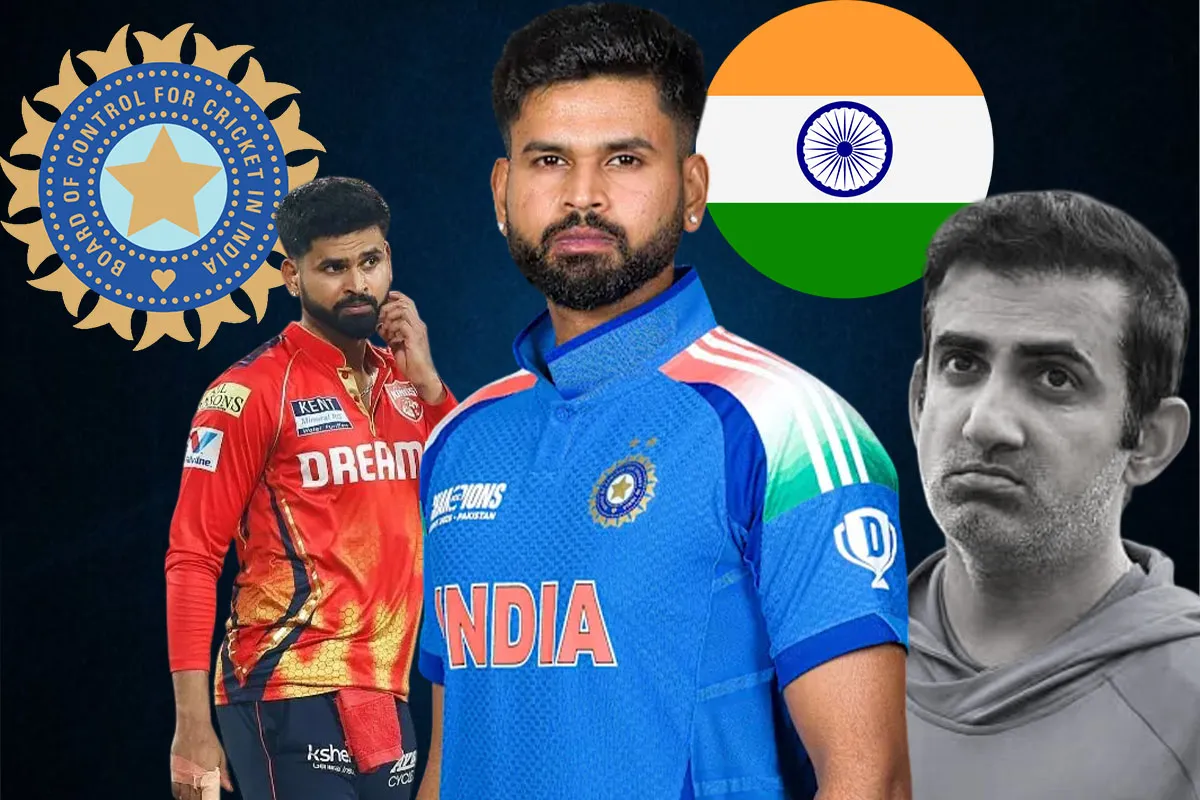
2. Role Clarity over Tactical Fluidity
Tactical flexibility—like altering the batting order for tactical match-ups—works only within a stable structural foundation. During the series, frequent shifts in the top order (involving Sanju Samson, Vaibhav Sooryavanshi, and Ishan Kishan) along with shuffling Shivam Dube and Tilak Varma created confusion rather than advantage.
The lesson was clear: international captaincy is not about constantly assigning flexible numbers on a scoreboard, but about ensuring every player carries an unchanging, unambiguous understanding of their core role before facing international pressure.
3. Building an Unassisted Bowling Architecture
With Punjab Kings and KKR, Iyer operated with defined bowling blueprints where death overs and mid-innings control were pre-planned. In the UK, India’s bowling architecture crumbled under pressure. Without reliable options to stem the run flow or pick wickets during crucial middle overs, Iyer was forced to experiment on the fly during matches rather than execute established plans.
.png)
.png)
.png)