

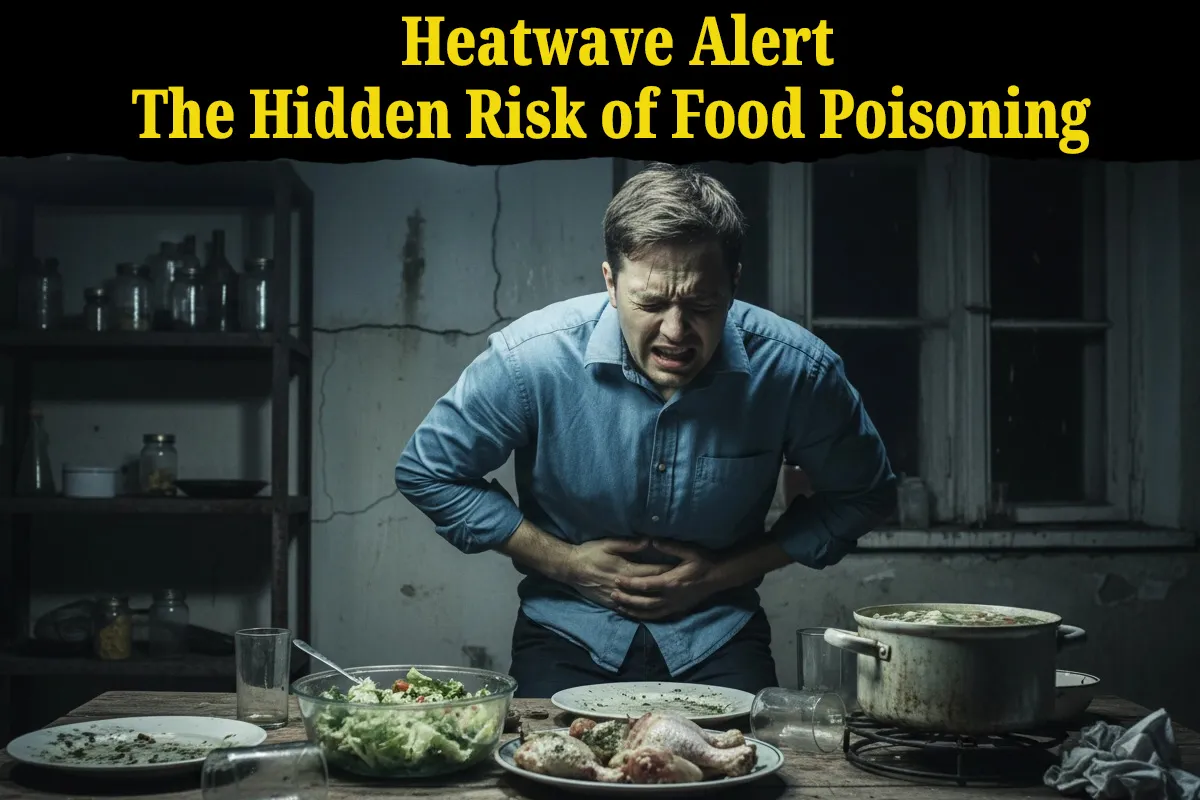
As temperatures soar during a severe heatwave, most of us focus on staying hydrated and avoiding sunstroke. However, there is another silent threat lurking in our kitchens and picnic baskets: food poisoning. The extreme summer heat creates the perfect breeding ground for harmful bacteria, making foodborne illnesses highly prevalent during this season.
Here is everything you need to know about why this happens, how to protect yourself, and the essential Do’s and Don’ts of summer food safety.
Why Heatwaves Increase Food Poisoning Risks
Bacteria that cause food poisoning—such as Salmonella, E. coli, and Listeria—thrive in warm, moist environments. Food safety experts often refer to temperatures between 40°F and 140°F (4°C to 60°C) as the "Danger Zone."
During a heatwave, ambient room temperatures easily fall right into the middle of this Danger Zone. When perishable food is left out in these conditions, bacterial populations can double in as little as 20 minutes. What might be perfectly safe to eat after sitting on the counter for two hours in the winter could become hazardous in less than an hour during a summer heatwave.
What to Do: The Essential Do's
To keep your gut healthy and prevent unexpected trips to the emergency room, follow these proactive steps:
-
Refrigerate Promptly: Always put leftovers, dairy, and meat in the refrigerator within one hour if the outside temperature is above 90°F (32°C).
-
Keep Cold Foods Cold: If you are traveling or having a picnic, use an insulated cooler packed with plenty of ice or frozen gel packs. Keep the cooler in the shade and limit how often you open it.
-
Cook to Proper Temperatures: Use a food thermometer to ensure meats are cooked completely. High heat kills the bacteria that cause illness.
-
Wash Hands and Surfaces: Wash your hands thoroughly with soap and water before handling food. Keep your cutting boards and utensils sanitized, especially after they touch raw meat.
-
Stay Hydrated: While this won't stop bacteria, drinking plenty of water ensures your body is strong and better equipped to handle minor stomach upsets.
What Not to Do: The Crucial Don'ts
Avoiding bad habits is just as important as practicing good ones. Here is what you should absolutely avoid during a heatwave:
-
Don't Rely on the "Sniff Test": You cannot always smell, taste, or see the bacteria that cause food poisoning. If perishable food has been sitting out in the heat, throw it away.
-
Don't Thaw Food on the Counter: Leaving frozen meat on the kitchen counter to thaw exposes the outer layers to the Danger Zone while the inside remains frozen. Instead, thaw food in the refrigerator, under cold running water, or in the microwave.
-
Don't Cross-Contaminate: Never use the same plate or utensils for raw and cooked meats. Always keep raw poultry and seafood separated from fresh produce.
-
Don't Eat Cut Fruits Left Outside: Watermelon, cantaloupe, and other cut fruits are highly susceptible to bacterial growth. Keep them chilled until the exact moment you are ready to eat them.
Symptoms to Watch Out For
Even with the best precautions, food poisoning can still happen. Symptoms typically manifest anywhere from a few hours to a few days after consuming contaminated food. Watch out for:
-
Nausea and vomiting
-
Stomach cramps and abdominal pain
-
Watery or bloody diarrhea
-
Fever and chills
-
Weakness and dehydration
If symptoms persist for more than 48 hours, or if you experience high fever and signs of severe dehydration (like extreme thirst and dry mouth), seek medical attention immediately.
The Bottom Line
A heatwave requires us to be hyper-vigilant about how we handle, store, and consume our food. By respecting the Danger Zone and adhering strictly to proper food hygiene, you can enjoy your summer meals safely without the dreaded risk of food poisoning. When in doubt, always remember the golden rule of summer food safety: If you aren't sure, throw it out.