

Geopolitical friction in East Asia has intensified following high-profile military exercises conducted by Russia's Pacific Fleet around the disputed Southern Kuril Islands. Japan, which claims ownership of the four southernmost islands and refers to them as the "Northern Territories" (Etorofu, Kunashiri, Shikotan, and the Habomai islets), lodged a stern diplomatic protest. The exercises signal a sharp deterioration in bilateral relations and mark a renewed show of military assertiveness by Moscow in the North Pacific.
Details of the Military Exercises
According to statements from Russia's Pacific Fleet, the maneuvers involved coordinated live-fire missile strikes targeting simulated enemy naval vessels positioned over 300 kilometers (186 miles) away.
-
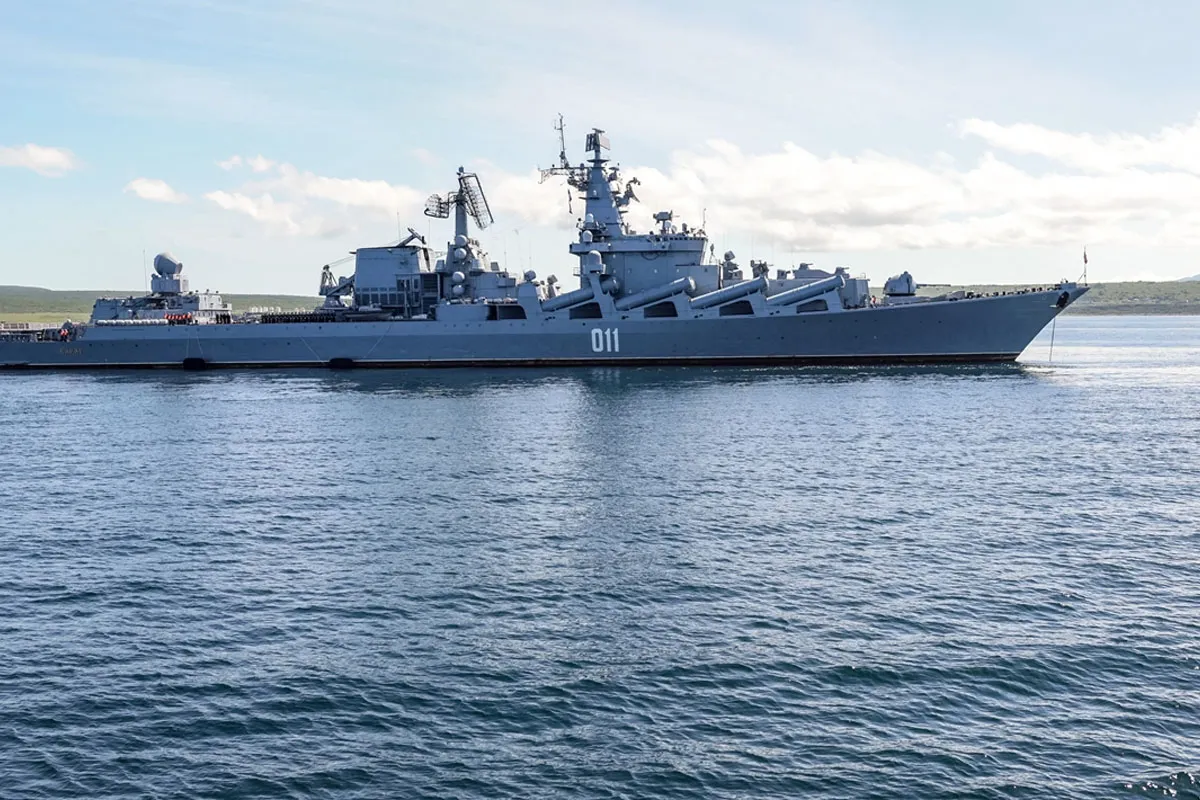
Naval Participation: The exercises featured the flagship guided-missile cruiser Varyag, which launched two Vulkan anti-ship missiles, alongside the nuclear-powered submarine Omsk, which fired Granit cruise missiles.
-
Land-Based Capabilities: A ground-based Bastion coastal defense system deployed on the disputed island of Etorofu (Iturup) participated by firing Oniks supersonic anti-ship missiles.
Russian defense officials confirmed that all designated targets were successfully neutralized, framing the operation as routine combat training. However, regional security analysts view the scale and location of the drills as a direct power projection aimed at Tokyo.
Diplomatic Fallout and Official Responses
The military drills drew an immediate condemnation from Tokyo. Japanese Foreign Minister Toshimitsu Motegi expressed strong disapproval, stating that Russia’s ongoing military buildup and live-fire activities on the disputed islands directly contradict Japan's territorial position and are "completely unacceptable".
The drills came shortly after a landmark visit by Russian President Vladimir Putin to Etorofu—his first visit to the island as sitting president—which had already prompted Japan to summon the Russian ambassador. Japanese Prime Minister Sanae Takaichi reiterated that the island chain remains an "inherent part of Japan's territory, both historically and under international law".
Broader Geopolitical Context
The 80-year-old territorial dispute, dating back to the Soviet occupation of the islands at the end of World War II, has historically prevented the two nations from signing a formal peace treaty. Relations have unraveled further due to Tokyo's alignment with Western allies in imposing sanctions on Moscow and providing non-lethal defense aid to Ukraine. By demonstrating advanced anti-ship capabilities around the islands, Moscow appears focused on asserting firm de facto sovereignty over the territory while warning Japan against expanding its strategic and military commitments in Asia and Europe.

.png)
.png)
.png)