


In a landmark judgment that underscores the enduring pursuit of justice, a Special CBI Court in Mohali has sentenced former Punjab Police Senior Superintendent of Police (SSP) Gurmeet Singh Randhawa to seven years of imprisonment. The conviction comes in connection with the 1992 kidnapping and subsequent disappearance of Ludhiana-based transporter Amrik Singh. Pronounced by Special CBI Judge Dinesh Kumar Wadhwa, the verdict brings closure to a harrowing legal battle fought by the victim’s family for nearly 34 years.
The Abduction at Hotel Amaltas
The origins of this grim saga trace back to November 25, 1992. Amrik Singh, a well-known transporter from Ludhiana, was attending a family wedding at Hotel Amaltas. Amidst the celebrations, a team from the Tarn Taran police descended on the venue and forcibly took Amrik Singh into custody. From that day onward, his family never saw him again.
According to the Central Bureau of Investigation (CBI) probe, the operation was executed with the full knowledge of top-ranking police officials. Telegrams were immediately sent to senior officers informing them of the abduction. Desperate to secure his release, Amrik's family approached numerous high-ranking government figures, including the then Chief Minister Beant Singh, but their pleas fell on deaf ears.
Amrik’s nephew, Dilbagh Singh, later testified that a group of six police officials, spearheaded by then SSP Ajit Singh Sandhu and DSP Gurmeet Singh Randhawa, had orchestrated the kidnapping. Dilbagh even managed to meet his uncle in Tarn Taran the day after the abduction, but the DSP who facilitated this brief reunion was severely threatened by his superiors shortly after.
A Deceptive Cover-up and the Supreme Court Intervention
The fight for truth took a formal legal turn in 1996 when Amrik Singh’s wife filed a Habeas Corpus petition in the Supreme Court of India. In a chilling response, the state government informed the apex court that Amrik Singh had already died, going so far as to produce newspaper advertisements of his bhog (memorial service) as proof of his demise.
The family vehemently rejected the government's claims, recognizing them as a smokescreen to cover up a custodial disappearance. During this period, the Supreme Court was already scrutinizing the widespread issue of unrecorded cremations of "unidentified" bodies by the Punjab Police. Recognizing the discrepancies in the state's narrative, the Supreme Court ordered the CBI to take over the investigation of Amrik Singh's disappearance.
The CBI Investigation and Disappearing Evidence
The CBI initiated its preliminary inquiry in January 1999. By February 2000, the bureau registered a regular case against the accused officers, citing kidnapping, illegal detention, manipulation of official records, and criminal conspiracy. In 2001, a comprehensive chargesheet was filed against five officers: then DSP (Detective) Tarn Taran Gurmeet Singh Randhawa, Inspector Suba Singh (SHO), Sub-Inspector Surinder Singh, Constable Parminderjit Singh (alias Babbu), and Assistant Sub-Inspector Jaswant Singh.
The chargesheet identified then SSP Ajit Singh Sandhu as the primary mastermind behind the conspiracy. However, Sandhu, along with three other accused policemen, died during the prolonged course of the trial, escaping formal judicial accountability.
The path to a conviction was fraught with deliberate sabotage. When the trial finally commenced in 2022, the prosecution faced a massive hurdle: crucial evidence submitted by the CBI had mysteriously vanished from the court records. This missing evidence included witness statements, photographs, video recordings from the wedding, and the official logbooks of the police vehicles used in the abduction.
Advocates Sarabjit Singh, Jagjit Singh, and Pushpinder Singh Natt, representing the victim's family, argued that the records were deliberately destroyed to shield the accused from legal repercussions. The Punjab and Haryana High Court had to intervene, ordering the reconstruction of the missing records so the trial could proceed.
The Final Verdict
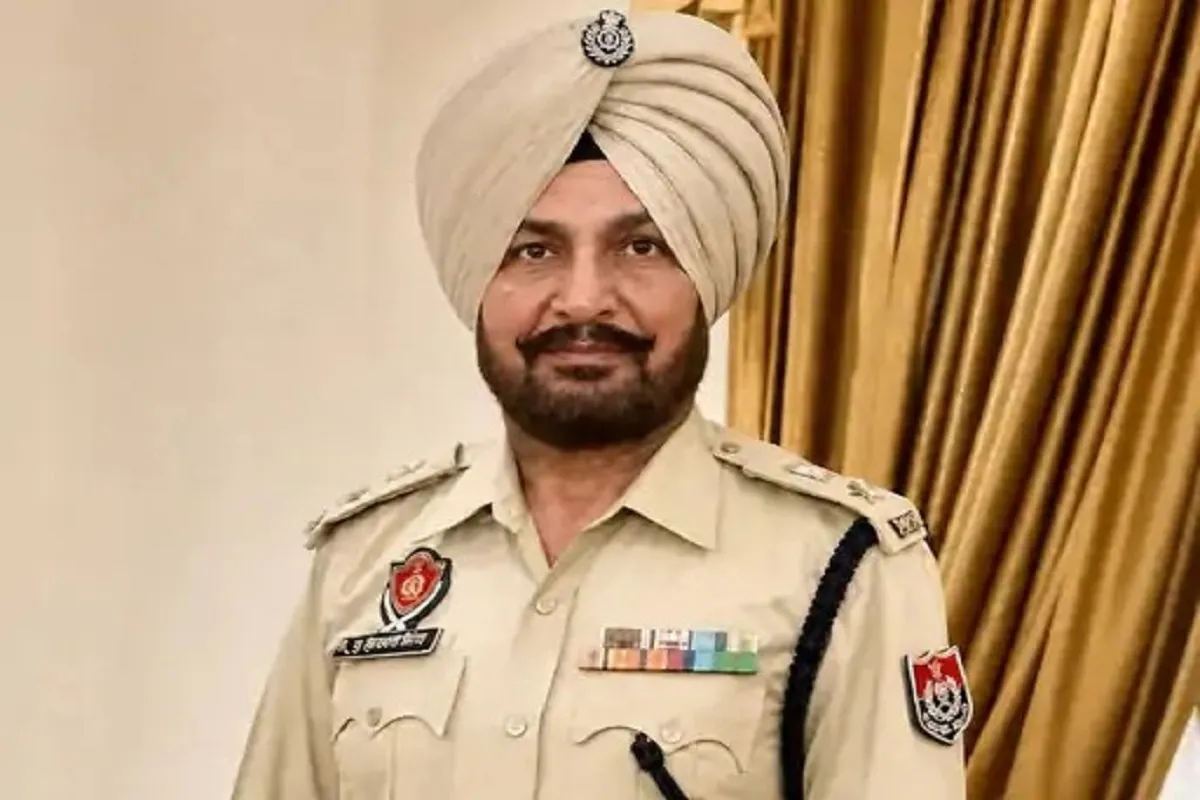
After navigating decades of systemic delays, missing records, and the deaths of key accused individuals, the special CBI court finally delivered its ruling. Gurmeet Singh Randhawa, who was a DSP at the time of the crime and had since enjoyed promotions up to the rank of SSP, was found guilty and sentenced to seven years behind bars.
Meanwhile, Parminderjit Singh, the security guard who was the only other surviving accused, was acquitted. The court granted him the benefit of the doubt citing insufficient evidence regarding his direct involvement in the conspiracy.
For the family of Amrik Singh, the 34-year-long ordeal highlights the agonizing pace of the judicial system, yet stands as a monumental testament to their resilience. The sentencing of a high-ranking police official sends a resounding message regarding accountability and human rights, ensuring that the shadows of the past are ultimately brought to the light of justice.