


Corruption within government departments often preys on the most vulnerable, turning routine official procedures into tools for extortion. However, the Anti-Corruption Bureau (ACB) in Haryana continues to tighten its grip on corrupt officials. In a major crackdown in Hisar, an Inspector deployed at the Employees' State Insurance Corporation (ESIC) office was caught red-handed while accepting a bribe of ₹30,000. This incident highlights the ACB's zero-tolerance policy and their swift action mechanisms to protect citizens from systemic harassment. Here is a detailed report on how the trap was laid and the corrupt official was brought to justice.
1: The Accused and The Extortion The incident centers around the ESIC office located in the bustling industrial area of Hisar. Inspector Anand Kumar, a public servant entrusted with the duty of facilitating employee welfare, was instead exploiting his position. The victim in this case was a humble school employee who was merely seeking the mandatory official verification for his daughter’s school admission.
Rather than processing the paperwork as required by law, Inspector Kumar saw an opportunity for illegal enrichment. He demanded a hefty bribe of ₹40,000 to simply verify the admission file. Under immense pressure, the victim initially succumbed to the extortion, handing over an advance payment of ₹10,000 to the Inspector.
The Breaking Point and The Complaint Realizing that the harassment would not stop and unable to bear the financial strain of paying the remaining ₹30,000, the complainant decided to take a stand against the injustice. He approached the Hisar Vigilance Office (now operating under the Anti-Corruption Bureau) and filed a detailed, formal complaint against Inspector Anand Kumar.
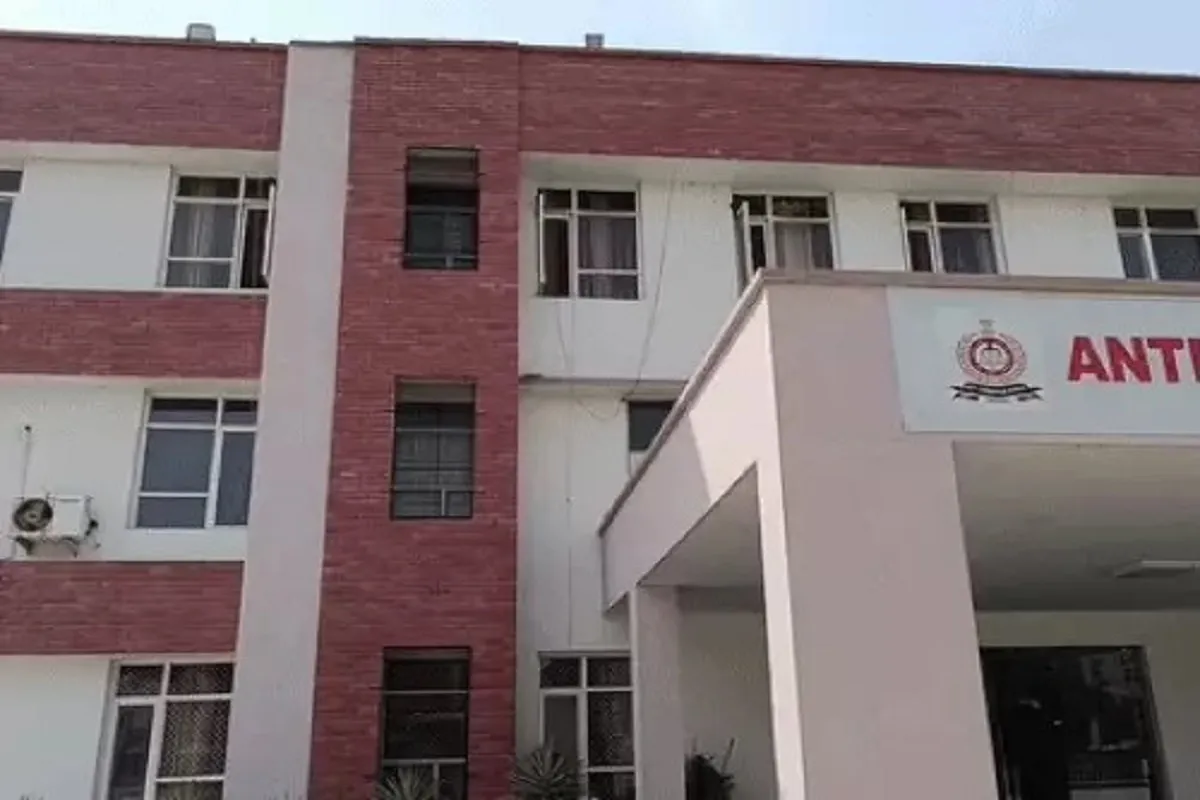
The ACB takes such allegations very seriously. Upon receiving the complaint, the Bureau immediately initiated a discreet preliminary inquiry. Once the initial facts were verified and the demand for the bribe was substantiated, the ACB machinery sprang into action to catch the culprit in the act.
Planning the Sting Operation A specialized raid team was meticulously constituted under the leadership of Vigilance Inspector Mukesh Kumar. To ensure absolute transparency, legal validity, and an airtight case in court, the ACB followed strict protocols. District Agriculture Officer (DAO) Sitaram was roped in to act as the Gazetted Officer and Duty Magistrate for the operation.
Every detail was planned. The currency notes totaling ₹30,000 were treated with a special chemical powder—a standard ACB procedure designed to leave invisible traces on the hands of anyone who touches the money.
The Trap and The Arrest On Tuesday, the trap was set at the ESIC office. The complainant, acting under the instructions of the ACB team, approached Inspector Anand Kumar to hand over the "pending" amount. The ACB sleuths, in plain clothes, had already positioned themselves strategically around the premises.
The moment the complainant handed over the ₹30,000 cash to the Inspector, the ACB team swooped in. Before Anand Kumar could even react or hide the money, he was overpowered and arrested red-handed on the spot.
Following the strict guidelines of the newly implemented Bharatiya Nagarik Suraksha Sanhita (BNSS), the entire trap operation—from the recovery of the notes to the hand-wash test that confirmed the chemical presence—was thoroughly videographed under Section 105 of the BNSS. This ensures the digital evidence is tamper-proof for the upcoming trial.
: Legal Ramifications and Next Steps] The consequences for Inspector Anand Kumar are now severe. Following the successful raid, an FIR (Number 47) was immediately registered at the Hisar Vigilance Police Station. He has been booked under Section 308(2) of the Bharatiya Nyaya Sanhita (BNS) and Section 7 of the Prevention of Corruption Act.
The accused is currently in custody, and the Anti-Corruption Bureau team is conducting further interrogations. Authorities are also investigating whether Inspector Kumar has extorted money from other beneficiaries in the past or if there is a larger nexus of corruption operating within the local ESIC branch.
This decisive action by the Hisar ACB sends a strong message to corrupt officials across departments: the law is watching, and public harassment will not go unpunished. The Bureau has repeatedly urged citizens not to bow down to bribery demands. If any government official asks for a bribe in exchange for official work, citizens should immediately report it to the Anti-Corruption Bureau via their toll-free numbers.