


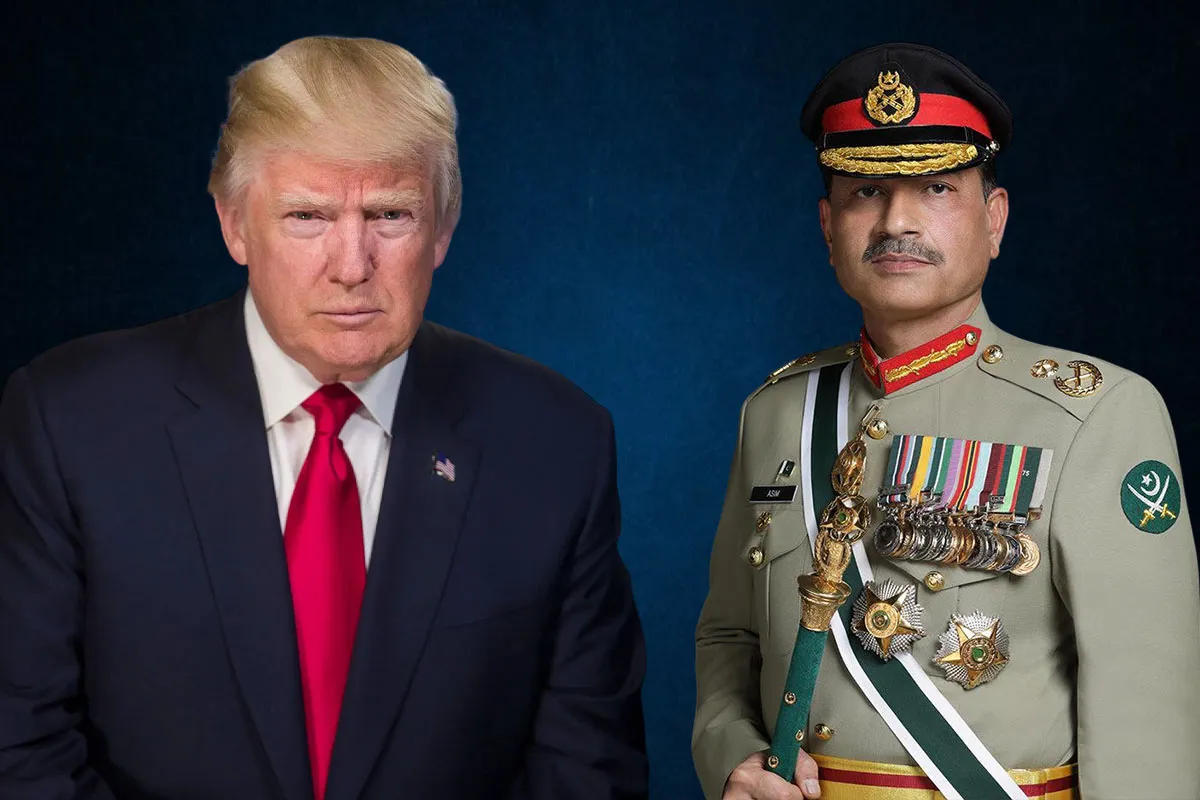
Pakistan's Chief of Army Staff, Field Marshal Asim Munir, held a high-level, previously unreported telephone call with U.S. President Donald Trump ahead of his official diplomatic mission to Tehran. The telephone exchange comes amid rapidly escalating tensions between Washington and Tehran, following the collapse of an interim peace framework and threats of sweeping global sanctions from the U.S. administration.
Strategic Engagement
-
Initiation & Primary Objective: The phone conversation was initiated directly by Washington to leverage Pakistan's unique diplomatic position as a mediator. Trump reportedly urged the Pakistani military leadership to help bridge the severe "trust deficit" between Washington and Tehran and convince Iranian officials to re-enter direct peace negotiations.
-
Context of Escalating Sanctions: The call transpired just days before the U.S. planned to launch severe economic pressure tactics against Iran. Trump had publicly warned of implementing the "most crushing economic operation" against Iran and any allied nations offering economic lifelines to Tehran.
-
Reviving the Islamabad Memorandum: Islamabad had previously served as a guarantor for the June interim peace agreement—often referred to as the Islamabad Memorandum—which provided a 60-day window for de-escalation. However, recent military strikes and maritime standoffs derailed the agreement, prompting Pakistan to initiate fresh shuttle diplomacy.
Complex Regional Agenda in Tehran
Field Marshal Munir arrived in Tehran accompanied by a delegation including Interior Minister Mohsin Naqvi. The high-level delegation scheduled talks with key Iranian figures, including individuals close to Supreme Leader Ayatollah Mojtaba Khamenei, President Masoud Pezeshkian, and Foreign Minister Abbas Araghchi.
Beyond U.S.-Iran peace revival, the agenda spans multiple critical regional security issues:
-
Strait of Hormuz Crisis: Disruptions and military blockades in the vital chokepoint have crippled commercial shipping, severely impacting global energy supply chains.
-
Gulf Security & Tripartite Defense: Talks focus on recent Houthi maritime strikes targeting Saudi Arabian assets and the strategic implications of the newly signed mutual defense pact between Pakistan, Turkey, and Saudi Arabia.
-
Economic Defense: Iranian leadership warned regional neighbors against siding with Washington's punitive economic warfare while defending diplomatic channels as the only way to avoid full-scale conflict.
Analysis: Pakistan's High-Wire Balancing Act
Pakistan finds itself walking a delicate geopolitical tightrope. By acting as a guarantor and mediator, Islamabad seeks to prevent a wider regional conflict that could destabilize South Asia and hyper-inflate energy prices. However, brokering peace requires balancing Washington's aggressive economic strategy against Tehran's security demands and defense agreements with Gulf allies.
.png)

.png)
1.png)
1.png)
.png)