

A healthy digestive system is the foundation of overall wellness, affecting everything from immunity and energy levels to skin health and mood balance. In a recent guide to gut nutrition, a 44-year-old board-certified gastroenterologist shared a list of five powerhouse foods that support the microbiome and outlined practical ways to incorporate them into everyday meals.
The 5 Gut-Friendly Foods Recommended by the Specialist
1. Beans
Beans are packed with soluble fiber and plant-based protein. They function as potent prebiotics, feeding beneficial gut bacteria and supporting regular bowel movements.
-
How to incorporate: Toss black beans or kidney beans into lunchtime salads, blend them into soups, or stir them into grain bowls alongside brown rice and vegetables.
2. Greek Yogurt
Greek yogurt is a primary source of live probiotic cultures that strengthen the gut barrier and maintain a balanced microbiome.
-
How to incorporate: Swap heavy cream or mayonnaise for plain, unsweetened Greek yogurt in dressings and dips. You can also enjoy it as a morning bowl topped with nuts and fresh berries.
3. Chickpeas
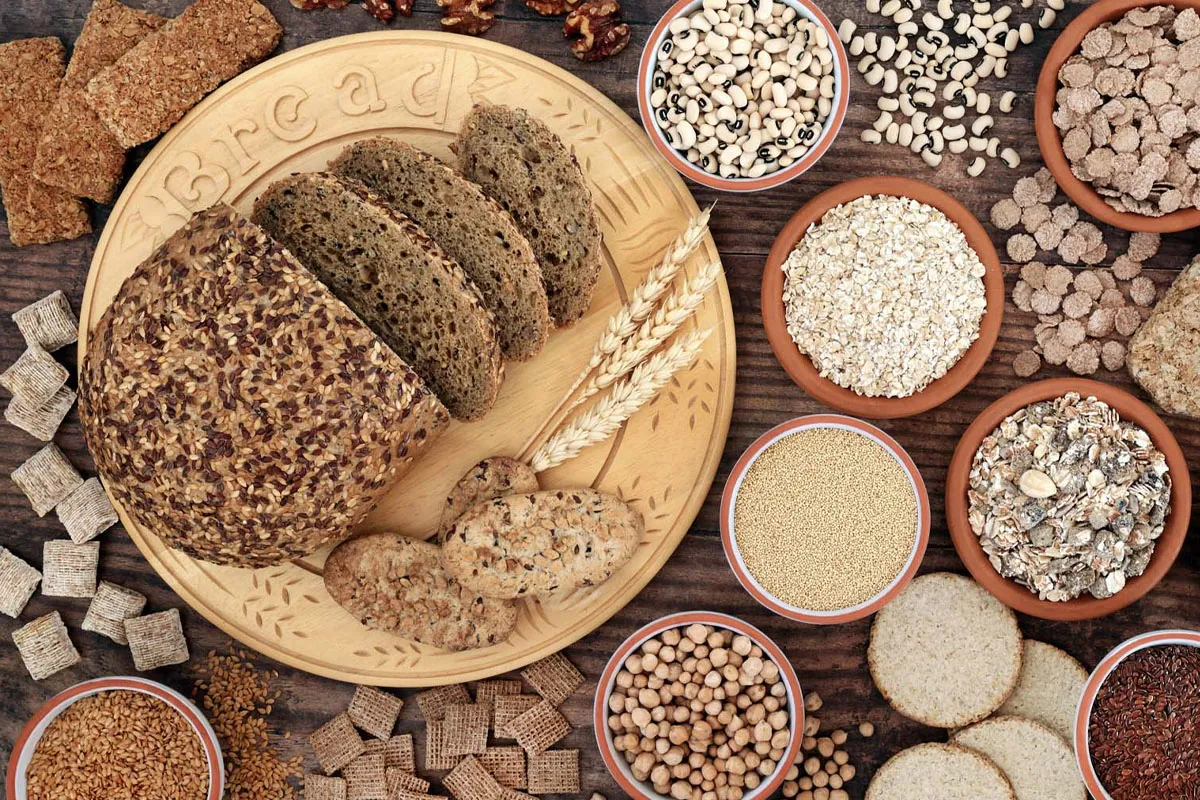
Rich in fermentable fibers, chickpeas (garbanzo beans) release short-chain fatty acids during digestion, which help reduce intestinal inflammation and nourish colon cells.
-
How to incorporate: Roast them with olive oil and spices for a crunchy afternoon snack, blend them into homemade hummus, or simmer them in curries and stews.
4. Chia Seeds
Chia seeds absorb water to form a gel-like substance in the digestive track, which aids smooth transit and prevents constipation. They are also loaded with alpha-linolenic acid (ALA), an anti-inflammatory omega-3 fatty acid.
-
How to incorporate: Stir a tablespoon into morning oatmeal or smoothies, or soak them overnight in almond milk to create a chia seed pudding.
5. Berries
Blueberries, raspberries, and blackberries are low in natural sugars while providing dietary fiber and polyphenols. Polyphenols act as antioxidants that suppress harmful gut bacteria while supporting beneficial strains.
-
How to incorporate: Add fresh or frozen berries to warm oatmeal, blend them into smoothies, or eat them as a standalone snack.
Expert Tips for Transitioning Your Diet
When adding high-fiber foods like beans, chickpeas, and seeds, the gastroenterologist advises increasing your intake gradually. A sudden spike in dietary fiber can cause temporary bloating or gas as the gut microbiome adapts. Drink plenty of water throughout the day to help fiber pass smoothly through the digestive system.